


Tactical goggles are essential pieces of equipment for many outdoor activities, especially in windy conditions. As a supplier of high - quality tactical goggles, I've seen firsthand how these devices play a crucial role in providing clear vision and protection. In this blog, I'll delve into how tactical goggles work in windy conditions, exploring their design features and the science behind their functionality.
Aerodynamic Design
One of the key aspects of tactical goggles' performance in windy conditions is their aerodynamic design. Wind can create significant drag and turbulence, which can affect the stability of the goggles on the wearer's face. High - end tactical goggles are engineered with smooth curves and streamlined shapes to minimize the impact of wind.
The curvature of the goggles is carefully designed to follow the natural contours of the face. This not only provides a comfortable fit but also helps to reduce wind resistance. When the wind hits the goggles, the smooth surface allows the air to flow around them more easily, preventing the goggles from being pushed or pulled out of position.

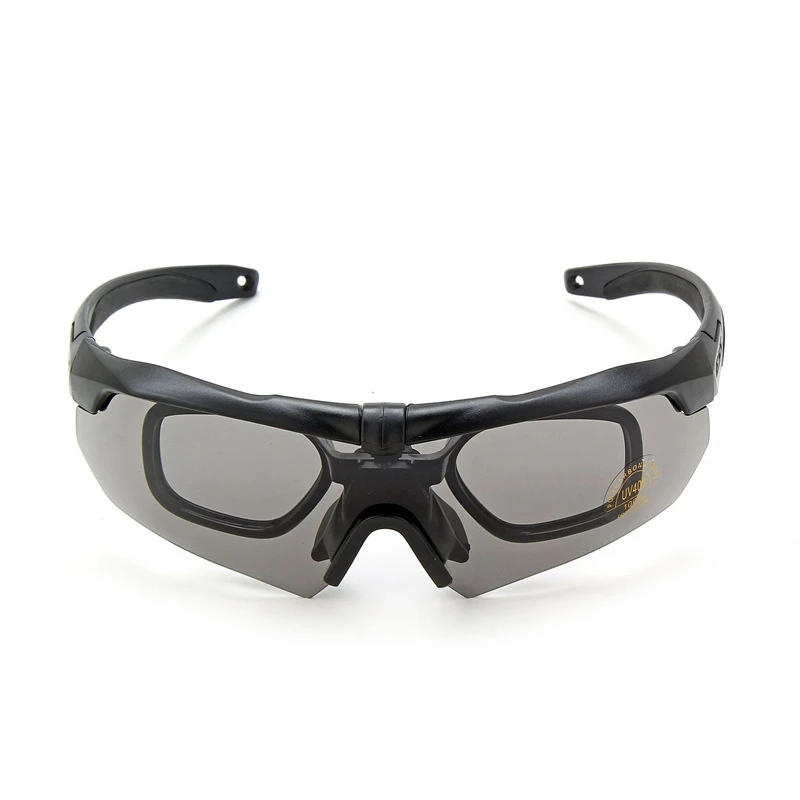
For example, our Outdoor Tactical Anti - fog Anti - ultraviolet Goggles are crafted with a sleek, aerodynamic design. The outer shell is made of a lightweight yet durable material that can withstand strong winds without compromising on comfort. The shape of the goggles is optimized to ensure that the wind passes smoothly over and around them, keeping the goggles firmly in place.
Seal and Wind Protection
A proper seal is vital for tactical goggles in windy conditions. Wind can carry dust, debris, and even small particles that can irritate the eyes or obstruct vision. Tactical goggles are designed with a tight - fitting seal around the edges to prevent wind - borne particles from entering.
The seal is typically made of a soft, flexible material such as silicone or rubber. This material conforms to the shape of the face, creating a barrier against the wind. Some goggles also feature a foam liner that provides additional comfort and a more secure seal.
Our Anti - fog Tactical Glasses Explosion - proof Goggles are equipped with a high - quality seal. The silicone edge ensures that there are no gaps for the wind to penetrate. This not only protects the eyes from dust and debris but also helps to maintain a clear field of vision, even in the most challenging windy environments.
Anti - fog Technology
Fogging is a common problem in windy conditions, especially when there is a significant difference in temperature between the inside and outside of the goggles. Tactical goggles are often equipped with anti - fog technology to combat this issue.
There are several types of anti - fog treatments available. One common method is the application of an anti - fog coating on the inner surface of the lenses. This coating helps to prevent the formation of condensation by spreading the moisture evenly across the lens.
Another approach is the use of ventilation systems. Some tactical goggles have small vents or channels that allow air to circulate inside the goggles. This helps to equalize the temperature and humidity levels, reducing the likelihood of fogging.
Our Tactical Glasses Shooting Explosion - proof Goggles feature advanced anti - fog technology. The lenses are coated with a special anti - fog layer that provides long - lasting protection against fogging. Additionally, the goggles have a well - designed ventilation system that allows for proper air circulation, ensuring clear vision in windy and changing temperature conditions.
Lens Material and Wind Resistance
The choice of lens material is also important for the performance of tactical goggles in windy conditions. Lenses need to be strong enough to withstand the impact of wind - borne debris and provide clear vision.
Polycarbonate is a popular choice for tactical goggles lenses. It is lightweight, shatter - resistant, and has excellent optical clarity. Polycarbonate lenses can withstand high - speed impacts from wind - driven particles, making them ideal for outdoor activities in windy environments.
Some goggles also feature scratch - resistant coatings on the lenses. This helps to maintain the clarity of the lenses even when they are exposed to abrasive particles carried by the wind.
Adjustability and Comfort
In windy conditions, it's important for the goggles to fit properly and stay in place. Tactical goggles are designed with adjustable straps and frames to ensure a secure and comfortable fit.
The straps can be adjusted to tighten or loosen the goggles according to the wearer's preference. This allows for a customized fit that can accommodate different head sizes and shapes. Some goggles also have additional padding on the straps to enhance comfort, especially during long - term use in windy conditions.
Conclusion
Tactical goggles are designed to provide clear vision and protection in windy conditions. Their aerodynamic design, seal, anti - fog technology, lens material, and adjustability all contribute to their performance. Whether you're an outdoor enthusiast, a military professional, or involved in tactical operations, having the right pair of goggles can make a significant difference.
If you're interested in purchasing high - quality tactical goggles for use in windy conditions, we'd love to hear from you. Our team of experts can help you choose the best goggles for your specific needs. Don't hesitate to reach out to us for more information and to start a procurement discussion.
References
- Smith, J. (2018). Tactical Gear Handbook. Outdoor Publishing.
- Johnson, R. (2019). The Science of Vision Protection in Extreme Conditions. Journal of Tactical Equipment.


