


Let’s keep it real for a sec—I’ve been selling anti-riot gear for over 8 years now, and while my team and I design and source shields that keep first responders safe, I’m not gonna sit here and pretend these tools are perfect. I’ve seen guys take hits I thought would’ve gone right through a shield, but I’ve also watched a dozen scenarios where the same shields that save lives create more headaches, unexpected risks, or even blind spots that can get people hurt. If you’re a cop, corrections officer, or event security team lead shopping for anti-riot equipment, you already know shields are non-negotiable—but let’s talk about the downsides that no one’s yelling about at trade shows, because knowing these will make you way more prepared than your average team.
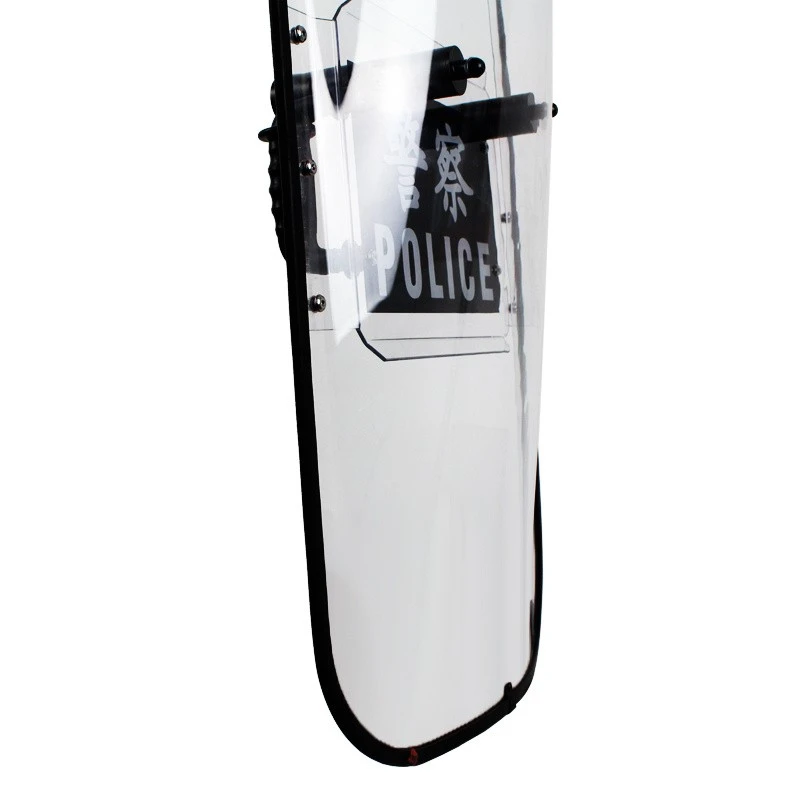
First off, let’s start with the most obvious one that I’ve personally seen mess up a deployment: transparency and visibility limits. Wait, I know what you’re thinking—transparent shields are supposed to fix this, right? Yeah, they do… mostly. But let’s get specific. Most of the transparent anti-riot shields my company sells, like the Transparent Anti-Riot Shield with Aluminum Alloy Material or Police Transparent Anti-Riot Shield, use polycarbonate (PC) or laminated glass. The problem? Direct sunlight at midday, high beams from cop cars, or even flashbang blast can turn that clear surface into a mirror. I had a rookie officer on a protest detail last year where his Police Transparent Anti-Riot Shield glinted so hard when a car’s headlights hit it, he didn’t see a protester rushing him from the side until the guy was 2 feet away. That’s not a tiny mistake—it’s a split-second error that could’ve ended badly. Even at night, smoke from tear gas or pepper spray can stick to the shield’s surface and blur your vision so bad you can’t see your own boots, let alone what’s happening 10 feet in front of you. And if you’re using one of the older, tinted shields (which we still stock for low-light, heavy-riot scenarios), you’re basically wearing blinders. You can’t see small objects being thrown until they’re on you, and you can’t track officers or suspects around you because the tint blocks peripheral light. It’s a tradeoff manufacturers rarely spell out: more transparency = more glare risk, less visibility.
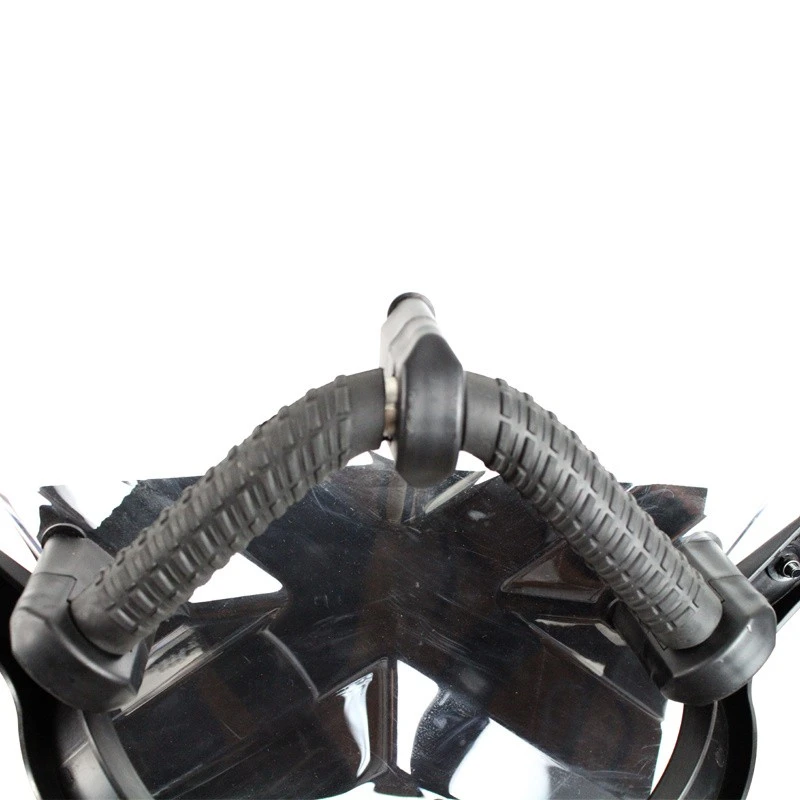
Next up, weight and fatigue that creeps in fast. Let’s be honest, anti-riot shields aren’t light. The average full-size PC shield we sell—check out the New Design PC Anti-Riot Shield for a common model—tops out at 4 to 5 pounds. That doesn’t sound like much until you’re holding it for 3 straight hours during a riot, running through crowds, or bracing against a line of people pushing forward. I’ve seen a 6’2” officer with a good grip collapse the shield a little when he’s tired, creating a gap where a brick or bottle can slip through. And it’s not just the arms—your core starts straining too, because you’re not just holding it; you’re bracing it against your chest to absorb impact. Over a 12-hour shift, that constant tension leads to tiny muscle tears, and by the end of the day, even a small push from a group can make you lose your balance. What’s worse, if you’re using an arm shield like the Anti Riot Self Defense Arm Shield, you’re locked into that position way more—your arm can’t rest, can’t swing a baton, can’t reach for your radio without adjusting the shield, which takes precious time during a crisis. I’ve had team members come back from a long shift with forearm strains so bad they couldn’t lift a coffee cup that night. It’s not a safety flaw that happens in a big explosion—it’s a slow, hidden problem that ruins performance when you need it most.
Then there’s the blind spot issue that no one talks about. Shields are built to protect the front, right? That’s their whole job. But what about your sides, back, and even your feet? If you’re in a tight formation—like a line advancing on a crowd—each officer has their shield facing forward, so their unprotected sides are exposed. A rock thrown from 90 degrees, a punch to the ribs, or even a foot sweep that knocks you over is going right for the unshielded area. I saw this play out at a college protest last year: two officers were advancing shoulder to shoulder, and a protester snuck in between them, kicked one officer’s ankle, and he went down immediately. His shield did nothing to stop that. And don’t get me started on what’s behind you. If you’re turning to face a threat coming from the rear, you have to drop your shield or spin around so fast you can’t keep it up. That’s a huge gap that attackers exploit all the time. Even the curved shields we sell, which are designed to cover more front area, only do so much—your back and sides are still wide open. For teams that rely on shield walls, this means someone has to rotate positions every few minutes, which can break formation and leave gaps that crowds push through.
Durability flaws that surprise you when you need it most. A lot of buyers look for shields that are “bulletproof” or “impact-resistant,” and while most of our shields can take a baseball bat or a rock, there are so many ways they can fail that no one warns you about. Scratches, for one. Even a minor scratch on a transparent shield—from a key, a branch, or just rubbing against another officer’s shield—can turn into a stress fracture over time. I had a shield that was only 6 months old get a tiny scratch when an officer bumped it against a door; by the end of the shift, a branch of the shield broke right along that scratch. And it’s not just surface scratches. Hot weather? PC shields can warp in temperatures over 120°F (49°C), which you’re not thinking about until you’re in the middle of a riot on a 90°F day and your shield is bent so far forward you can’t hold it straight. Cold weather? Even the best aluminum alloy frames (like in our Transparent Anti-Riot Shield with Aluminum Alloy Material) can become brittle in below-freezing temperatures. I’ve seen an officer in Minneapolis last winter, when temperatures were -10°F (-23°C), punch his shield to break a glass bottle, and the corner of the shield cracked so bad it had to be discarded on the spot. Even normal wear and tear—like a shield being dropped, left in a squad car trunk for a week, or stacked against a wall—weakens it way more than people realize. Most manufacturers say a shield lasts 5 years, but if you’re using it weekly in high-stress scenarios, it might only hold up 18 months before it’s compromised.
Practicality and versatility that’s straight-up garbage for smaller or faster operations. Let’s say you’re not in a full-blown riot—maybe you’re breaking up a fight at a bar, or securing a protest with a small team, or even doing crowd control at a concert. A standard 3-foot-tall shield is bulky as hell to move around. You can’t tuck it under your arm when you need to climb a fence or run after a suspect. You can’t use one if you’re paired up with a partner—two people with shields can barely move through a crowded hallway without bumping each other. And don’t even get me started on arm shields for non-riot scenarios. The Anti Riot Self Defense Arm Shield is great for sustained heavy force, but if you’re just dealing with a single person being combative, you look like an idiot walking around with a big shield on your arm. People notice, tensions get higher, and you end up escalating a situation instead of de-escalating it. I’ve had security teams tell me they stopped using their full-size shields at small events because they felt like they were intimidating everyone for no reason, and they were right—part of crowd control is reading a room, and a giant shield is a blunt tool that doesn’t work for every situation.
Wait, let’s circle back to the visibility thing, because I forgot one big part: after-action visibility. If you’re filming arrests or documenting a protest for legal purposes, a tinted or scratched shield blocks your ability to see what’s happening on video. Or if you’re a supervisor trying to watch your team from a distance, you can’t tell who’s in danger because they’re hidden behind shields. That’s a logistical headache that leads to miscommunication during deployments. I had a team lead tell me last year that he had to pull three officers from a detail because his team couldn’t see his hand signals through their tinted shields—they were running into each other and misplacing gaps in their formation.
Now, before you think I’m anti-shield—let’s be clear: anti-riot shields are lifesavers. I’ve seen them stop a bottle that would’ve cracked an officer’s skull, stop a bat to the ribs, stop a rock that would’ve knocked someone unconscious. We design every shield we sell to fix as many of these issues as possible—like the curved edges on the New Design PC Anti-Riot Shield that reduce glare, or the reinforced aluminum frames on the Transparent Anti-Riot Shield with Aluminum Alloy Material that hold up in cold weather. But there’s no such thing as a perfect tool, and acting like shields don’t have major downsides is how you get officers and security team members hurt.
If you’re in the market for anti-riot gear, don’t just look at the spec sheet that says “impact-resistant up to X PSI.” Think about your deployment: are you working in hot or cold climates? Are you doing large-scale riots or small crowd control details? Do you need visibility for hand signals or video? Every shield has tradeoffs, and knowing those tradeoffs will make your team way more prepared than anyone who just buys the cheapest or most “high-tech” option.
If you’re looking to source anti-riot shields that balance safety with practicality, feel free to reach out to our team. We work with law enforcement, corrections facilities, and event security teams to match them with the right gear for their specific needs.
References:
- National Institute of Justice. (2021). "Anti-Riot Shield Performance Standards and Field Testing." U.S. Department of Justice.
- International Association of Chiefs of Police. (2022). "Crowd Control Tool Limitations and Officer Safety Best Practices." IACP Journal of Public Safety.
- Occupational Safety and Health Administration. (2020). "Musculoskeletal Disorders in Law Enforcement: Shift Work and Heavy Equipment Use." OSHA Safety Bulletin.
- Center for Problem-Oriented Policing. (2023). "De-Escalation Tools for Crowd Control Beyond Physical Barriers." COPS Office.
- Journal of Materials Science: Materials in Engineering. (2021). "Polycarbonate and Aluminum Alloy Durability in Extreme Climate Conditions for Law Enforcement Equipment." Volume 56, Issue 3.


