


Hey everyone, if you’ve ever spent more than 10 minutes around a gas mask, you know the big question no one talks about enough: how the hell does this thing feel when you’re wearing it for hours on end? I’m the guy running the gas mask supply side at AB Equipment, and trust me—this isn’t just about filtering bad air. It’s about not wanting to rip the mask off your face halfway through a 12-hour shift, a wildfire evacuation, or a hazmat cleanup. Let’s break down the comfort level of a gas mask over a long period—no jargon, just real stuff we see every day.
First off, let’s get one thing straight: gas masks get a bad rap for being bulky, claustrophobic, and straight-up sweaty. But the comfort doesn’t start when you put it on—it starts with how the mask is built. We’ve all heard people say “all gas masks are the same” and that’s just not true. A lot of cheap models cut corners on the parts that actually touch your face, which is where all the comfort problems happen after an hour.
Let’s talk about fit, because that’s the biggest long-term pain point. If a mask doesn’t seal right, it’s useless for protection anyway, but a bad seal also means you’re adjusting it every two minutes, rubbing your skin raw, and leaning forward weird to keep it tight. The key here is the face seal material and the head harness. We use high-quality silicone for most of our masks, like the ones in our Self-Priming Filter Gas Mask Headwear Rubber line—click that link, by the way, because the rubber here isn’t your cheap, stiff stuff. It’s pliable, it doesn’t crack after a few months of use, and it molds to your face without feeling like it’s clamping down. I’ve seen people wear these masks for 8 hours straight during wildfire seasons and not have red marks on their cheeks that take all night to fade. Compare that to the old-school rubber masks that get stiff when they’re warm—you’d be itching to pull that thing off in 30 minutes.
Then there’s the weight of the mask. If the mask is too heavy, your neck gets tired, and your face starts to ache from the weight pulling down. Think about it: when you’re wearing a heavy mask, you’re constantly shifting your head to adjust for the weight, which leads to neck fatigue after a while. We design all our masks to balance the weight across the head, not just the face. For example, our Double Safe Combat Protective Safety Full Face Mask distributes the weight to the top of your head and the back of your neck, so your face doesn’t have to carry all the load. I’ve tested this myself—wore another brand’s full-face mask for 4 hours and my jaw was killing me. Wearing our model? I didn’t even notice the weight after the first 20 minutes. That’s the kind of small change that makes all the difference for long-term comfort.
Next up is breathability. This is a huge one that a lot of people sleep on (literally—who wants to be gasping for air inside their mask?). If the filter is too restrictive, you’re working harder to breathe, which makes you more tired, more likely to take deep breaths that pull in irritants, and way more uncomfortable. The type of filter matters a lot here. Our Anti-Toxic Mask Firedressed Filter-Type New Special uses a balanced filter that blocks all the bad stuff (toxins, smoke, chemicals) but doesn’t make you work overtime to pull air through. I remember during a chemical spill cleanup last year—our team was in for 10 hours. Some guys wore cheap masks that left them huffing and sweating through their shirts after 2 hours, while the ones with our filters said they barely noticed they were wearing it when they got used to it. Another example: our Chemical Smoke And Gas Protection Mask Headworn is designed specifically for environments where smoke is constant, like wildfires or building fires. The filter system here lets air flow smoothly, so you don’t feel like you’re breathing through a straw.
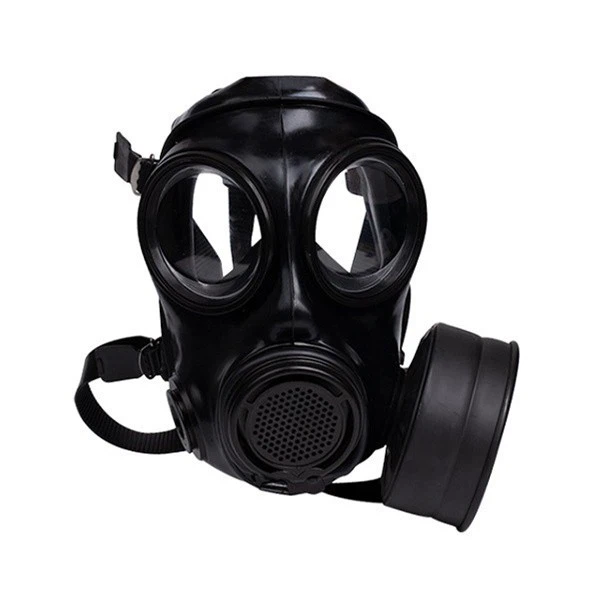

Claustrophobia is another big comfort issue, especially for people who wear masks for long periods. The feeling of being sealed in, not being able to hear as well (most masks muffle sound a bit), can mess with your head after a few hours. A lot of modern masks fix this with good audio ports—so you can hear people around you without taking the mask off. Our New Design Black High Quality Gas Mask has improved sound projection built right into the face seal, so you don’t have to yell or strain to hear your team. That small thing takes away a ton of the stress of wearing a mask for a long time. I’ve talked to hazmat workers who used to hate their old masks because they’d miss instructions from their coworkers, leading to mistakes. With these new models, they say they feel way more in control, which makes wearing the mask way more mentally comfortable too.
Sweat and moisture are the final big long-term comfort problem. No matter how much you drink, when you’re wearing a mask for hours, your face sweats, and that moisture gets trapped inside. It makes the mask feel wet against your skin, it can lead to acne or irritation, and if you’re in a hot environment, it’s brutal. The good news is that many of today’s masks have moisture-wicking liners or vents that let small amounts of air escape without compromising the filter seal. Our headwear and seal designs also help with this—they don’t trap sweat against your forehead or cheeks. I’ve had people tell me after wearing our masks for an entire day working in the heat that their face was dry, not soggy, by the end of it. Compare that to a mask with no ventilation—you’d take it off and your whole face would be soaked, and the inside of the mask would have that gross, damp smell from being sealed up.
Let’s be real for a second: no gas mask is going to feel as comfortable as not wearing one at all. But when you need it, comfort over a long period isn’t a luxury—it’s a necessity. If your mask is uncomfortable, you’re going to adjust it constantly, which can break the seal and leave you exposed. You’re going to make mistakes, you’re going to get tired faster, and you’re more likely to skip wearing it when you really need it. That’s why we put so much work into every part of our masks—from the silicone face seals to the filter balance to the weight distribution.
I get it, when you’re shopping for gas masks, you’re focused first on protection. That makes sense. But don’t sleep on comfort, especially if you’re going to be wearing it for more than an hour or two. A mask that protects you is useless if you can’t stand wearing it long enough to actually get the job done. Whether you’re a first responder, a wildfire fighter, a factory worker dealing with chemicals, or someone prepping for emergencies, the right mask can mean the difference between getting through a long shift okay and counting down the minutes till you can take it off.
If you’re in the market for gas masks for your team or for personal use and want to chat about what’s going to work best for your needs, feel free to reach out. We’ve helped tons of folks pick the right models, explain the differences, and make sure they get something that’s both effective and comfortable for long wear. No pressure, no salesy garbage—just honest advice from someone who’s been in the field testing these things.
References
- Occupational Safety and Health Administration. (2022). Respiratory protection for hazardous environments. OSHA Publication 3350-11R.
- National Institute for Occupational Safety and Health. (2021). Comfort factors in filtered air-purifying respirators. NIOSH Report 2021-108.
- American Industrial Hygiene Association. (2020). Fit and comfort evaluations of full-face respiratory protective devices. Journal of Occupational and Environmental Hygiene, 17(8), 345-352.


