


Hey there! As a gas mask supplier, I often get asked one question more than any other: "How long does a gas mask filter last?" It's a crucial question, and the answer isn't as straightforward as you might think. In this blog, I'll break down the factors that affect a filter's lifespan and give you a better idea of what to expect.
Understanding Gas Mask Filters
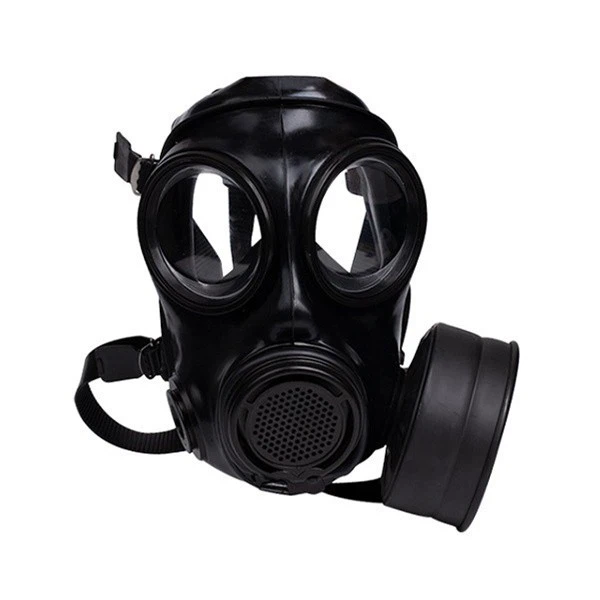
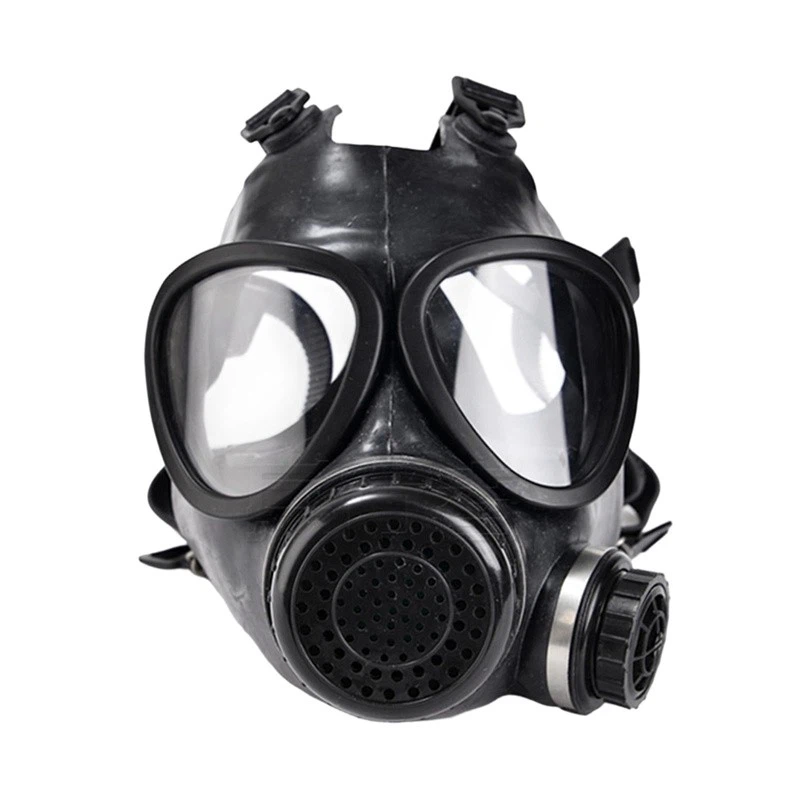
First things first, let's talk about what gas mask filters actually do. These little guys are the heart of your gas mask, designed to trap and remove harmful particles, chemicals, and gases from the air you breathe. They come in different types, each tailored to protect against specific threats, like dust, fumes, or biological agents.
There are two main categories of filters: particulate filters and chemical filters. Particulate filters, as the name suggests, capture tiny particles like dust, pollen, and smoke. Chemical filters, on the other hand, are designed to neutralize or absorb toxic chemicals and gases.
Factors Affecting Filter Lifespan
Now, let's dive into the factors that can influence how long a gas mask filter lasts.
1. Type of Contaminant
The type of contaminant you're exposed to plays a huge role in filter lifespan. For example, if you're in an environment with high levels of particulate matter, like a construction site or a wildfire area, your particulate filter will get clogged up much faster. On the other hand, chemical filters can be depleted more quickly if you're in an area with high concentrations of toxic gases.
2. Concentration of Contaminants
The concentration of contaminants in the air is another important factor. If you're in a highly polluted area with a lot of harmful substances, your filter will have to work harder and will likely wear out faster. For instance, if you're working in a chemical plant where there are high levels of toxic fumes, your filter might only last a few hours.
3. Duration of Use
How long you use the gas mask also affects the filter's lifespan. The longer you wear the mask, the more contaminants the filter will collect, and the sooner it will need to be replaced. If you're using the mask for an extended period, say during a long-term emergency response, you'll need to keep a close eye on the filter's condition.
4. Environmental Conditions
Environmental conditions can have a significant impact on filter performance. High humidity, for example, can cause the filter to become saturated, reducing its effectiveness. Extreme temperatures can also affect the filter's materials, potentially shortening its lifespan.
5. Quality of the Filter
Not all filters are created equal. Higher-quality filters are generally more durable and can last longer. When choosing a gas mask, it's important to invest in a good-quality filter that's designed to meet your specific needs.
Average Lifespan of Gas Mask Filters
So, how long can you expect a gas mask filter to last? Well, it really depends on the factors we just discussed. On average, a particulate filter can last anywhere from a few hours to several days, depending on the level of contamination and the duration of use. Chemical filters, on the other hand, can last from a few hours to a couple of weeks, again depending on the type and concentration of contaminants.
For example, a basic particulate filter used in a low-contamination environment might last for 8 - 12 hours of continuous use. But if you're in a high-contamination area, like a mine or a chemical spill site, that same filter might only last 2 - 4 hours.
Chemical filters are a bit more complex. Some chemical filters are designed for short-term use in emergency situations and might only last a few hours. Others, like those used in industrial settings, can last for several days or even weeks if the conditions are right.
Signs That Your Filter Needs to be Replaced
It's important to know when it's time to replace your gas mask filter. Here are some signs to look out for:
1. Reduced Airflow
If you notice that it's getting harder to breathe through the mask, it could be a sign that the filter is clogged. Reduced airflow means the filter is no longer working effectively and needs to be replaced.
2. Unusual Odors or Tastes
If you start to smell or taste the contaminants you're trying to protect against, it's a clear indication that the filter is no longer doing its job. This could be a sign that the filter has been depleted or damaged.
3. Visible Damage
Inspect your filter regularly for any signs of damage, such as cracks, holes, or tears. If you see any damage, replace the filter immediately.
Our Gas Mask Products
At our company, we offer a range of high-quality gas masks and filters to meet your needs. Check out some of our popular products:
- Self-Priming Filter Gas Mask Headwear Rubber: This gas mask features a self-priming filter for easy use and reliable protection.
- New Design Black High Quality Gas Mask: Our new design gas mask offers superior comfort and protection, with a high-quality filter that lasts longer.
- Full Face Gas Mask Chemical with Filter Reusable Respirator Mask: This full-face gas mask is perfect for chemical protection, with a reusable filter that can be easily replaced.
Contact Us for Procurement
If you're interested in purchasing gas masks or filters for your organization, we'd love to hear from you. Whether you're a government agency, a business, or an individual, we can provide you with the right products and solutions to meet your needs. Contact us today to start the procurement process and get the protection you need.
References
- Occupational Safety and Health Administration (OSHA). (2023). Respiratory Protection.
- National Institute for Occupational Safety and Health (NIOSH). (2023). Gas Mask Filters: A Guide to Selection and Use.


